Journal
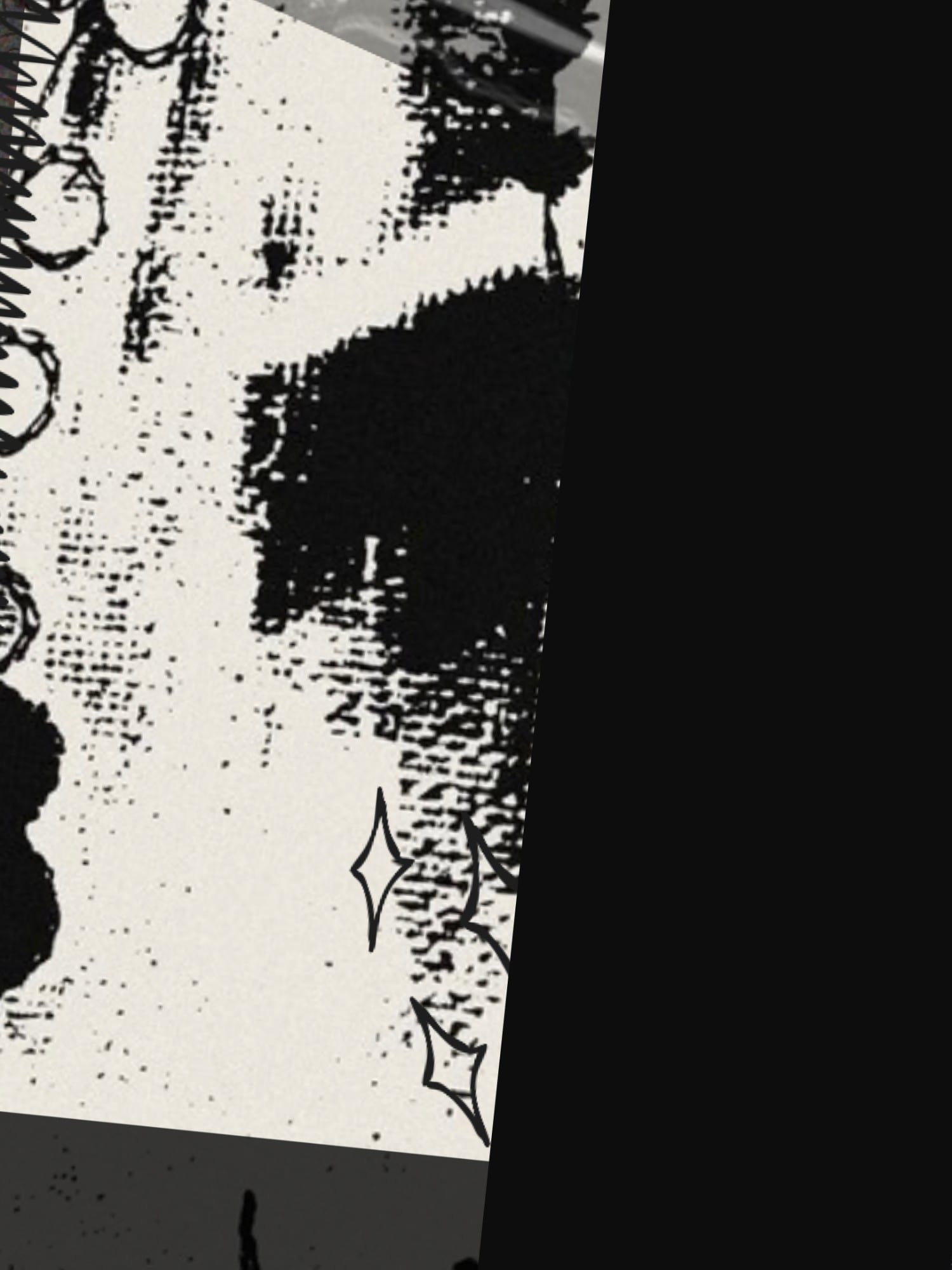
This journal shows the complex conceptual network that forms the foundation of Vaki.
Vaki is the physical perception, the writing on the page, the creation and the vision. But first and foremost, it is energetic. And to understand Vaki, you need to understand the history of its meaning: both the origin of the word and where it began with me.

That’s what I think the push toward this prescribed “oneness” is: an attempt to force a collective consciousness that can only be achieved organically.
I think this gap between what we experience internally and what we are able to translate externally is something I've felt throughout many different periods of my life.
As an artist, I often deal with complications of miscommunication. I can have a very specific perspective or understanding of something and still find that what reaches another person is different from what I was actually trying to express.
For a long time, this led me to a lot of inner reflection and questioning of my own self. Was this miscommunication directed by my own actions? I soon realised it was a socially constructed flaw we all face when it comes to perspective.
We are trying to exist within a society that constantly encourages us toward one shared understanding of things when we are inherently multifaceted beings experiencing the same reality through completely different internal worlds. We learn to translate ourselves into something more collectively understandable, more palatable, and in doing so, the nuance in our perspectives gets lost. Two things can – and must – exist at the same time; we can be complex individual beings on our distinct journey and also fulfil the inherent oneness that is fundamental to the human condition.
I would reach these little chapters of grief around change. Not necessarily because something bad had happened, but because I could feel myself changing.
I would miss a version of myself, a state of mind, a group of people, a period of my life that had once felt like my whole world. Then it would slowly move further away from the centre of my life as another chapter took its place.
Eventually I learned to move with it, and to let some of those constructions break down, without assuming that everything they contained was something I had to lose.
I was struggling to reconcile the grip I felt compelled to tighten around the ever-changing nature of that period of life, with the beautiful experience of developing a much clearer and more expansive understanding of myself.
I think what made it different for me was how consciously I was aware of certain things happening within my own mind. I could recognise myself changing while I was still inside the change. I could notice patterns, shifts in perception, attachments, and contradictions that I couldn't yet positively influence.
This ultimately led me to an overwhelming existential understanding of reality and the relational web all things are woven into.
For some reason, I felt like I experienced it faster than usual, almost like I felt it all in one.
I think at some point I learned to not only be alone with myself, but love the aloneness.
I realised many of us aren't really choosing.
We choose because we are told to, but the choices are predetermined in more ways than one. There is the pattern of society, the things we are taught to value, the behaviours that become normal before we are old enough to question them, and all of the tiny influences that continue being fed to us until they become indistinguishable from our own thoughts.
It is almost like an indoctrination so subtle that you don't experience it as being taught anything at all; you just think that is how things are.
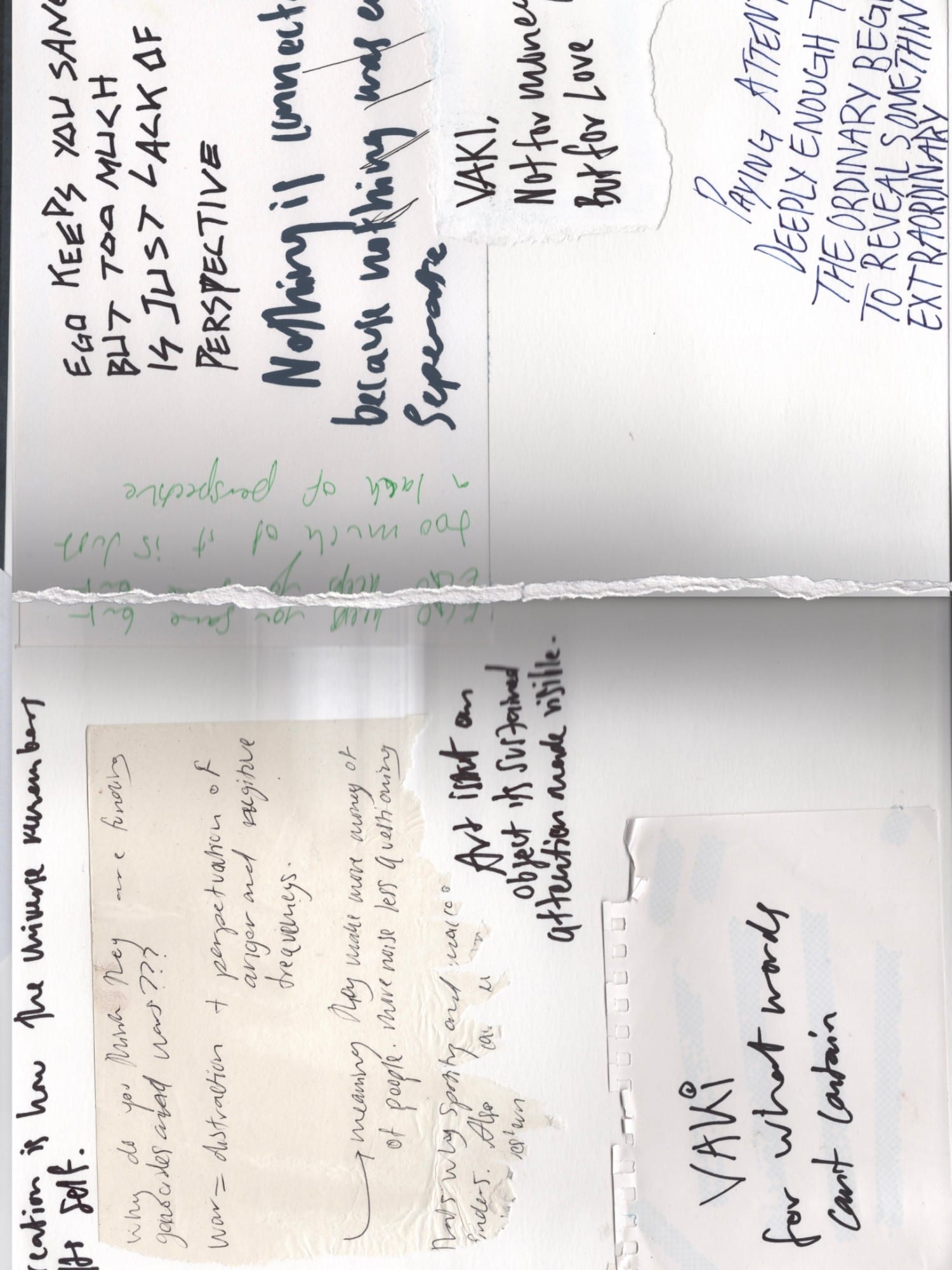
Technology has only made this more intricate. We are constantly being exposed to other people's perceptions, desires, fears, opinions, and identities, and so much of it enters the mind without ever being consciously selected.
The issue isn't necessarily the choices themselves; it's the fact that we often don't realise how much of the question was written for us before we ever answered it.
We account for perspectives that we aren't even aware of, and those perspectives become built into the mind.
Mother, father, family, school, culture, society, technology, everyone we have ever encountered, everything we have ever seen. All of these things leave tiny pieces of themselves within the way we understand ourselves.
I think this is one of the recurring patterns I notice when I look at the world.
My mind naturally recognises these connections. The small things that become normal without us ever questioning where they came from, the patterns that repeat through completely different parts of life, the way something happening in one place can quietly influence something somewhere else.
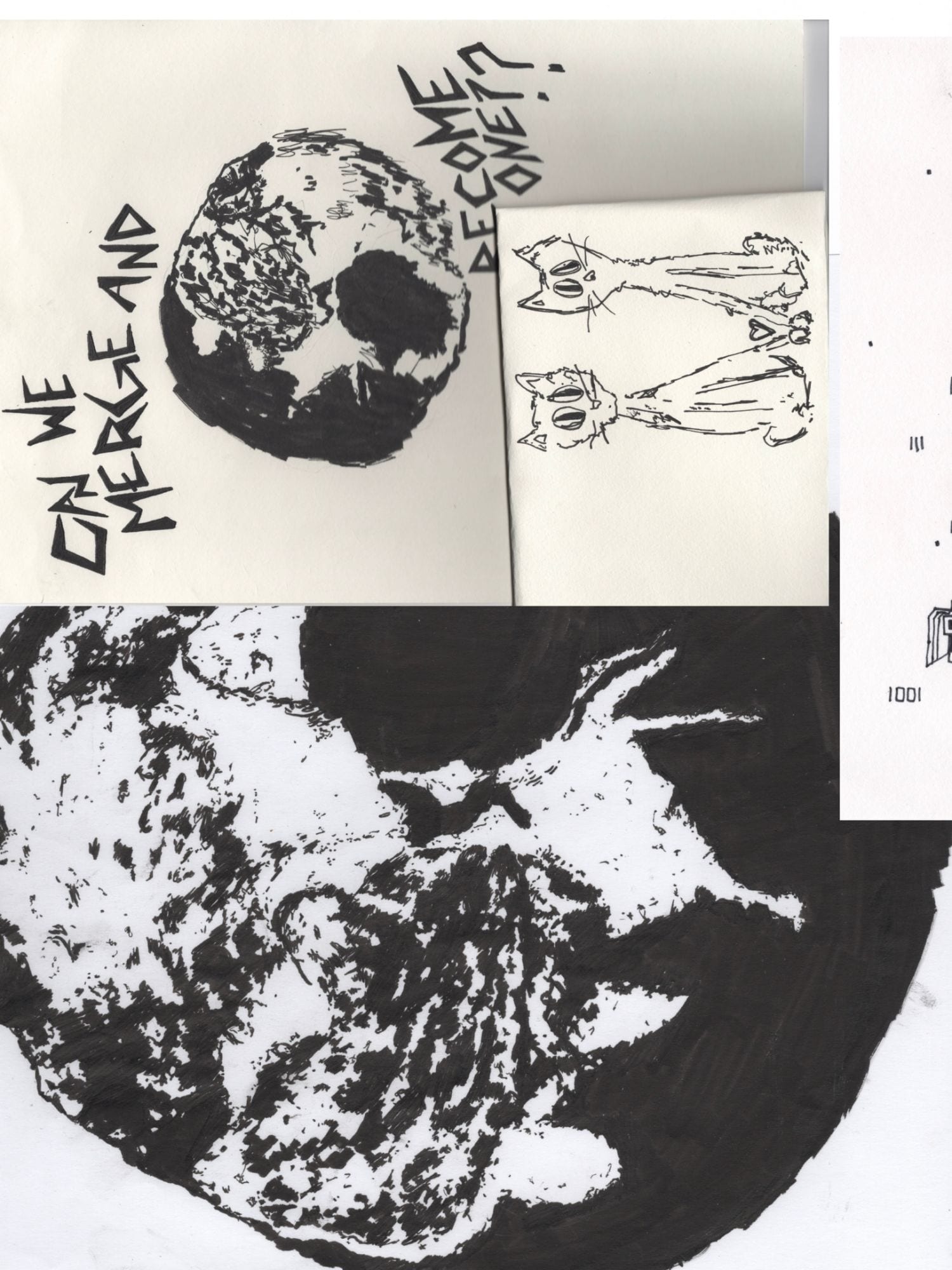
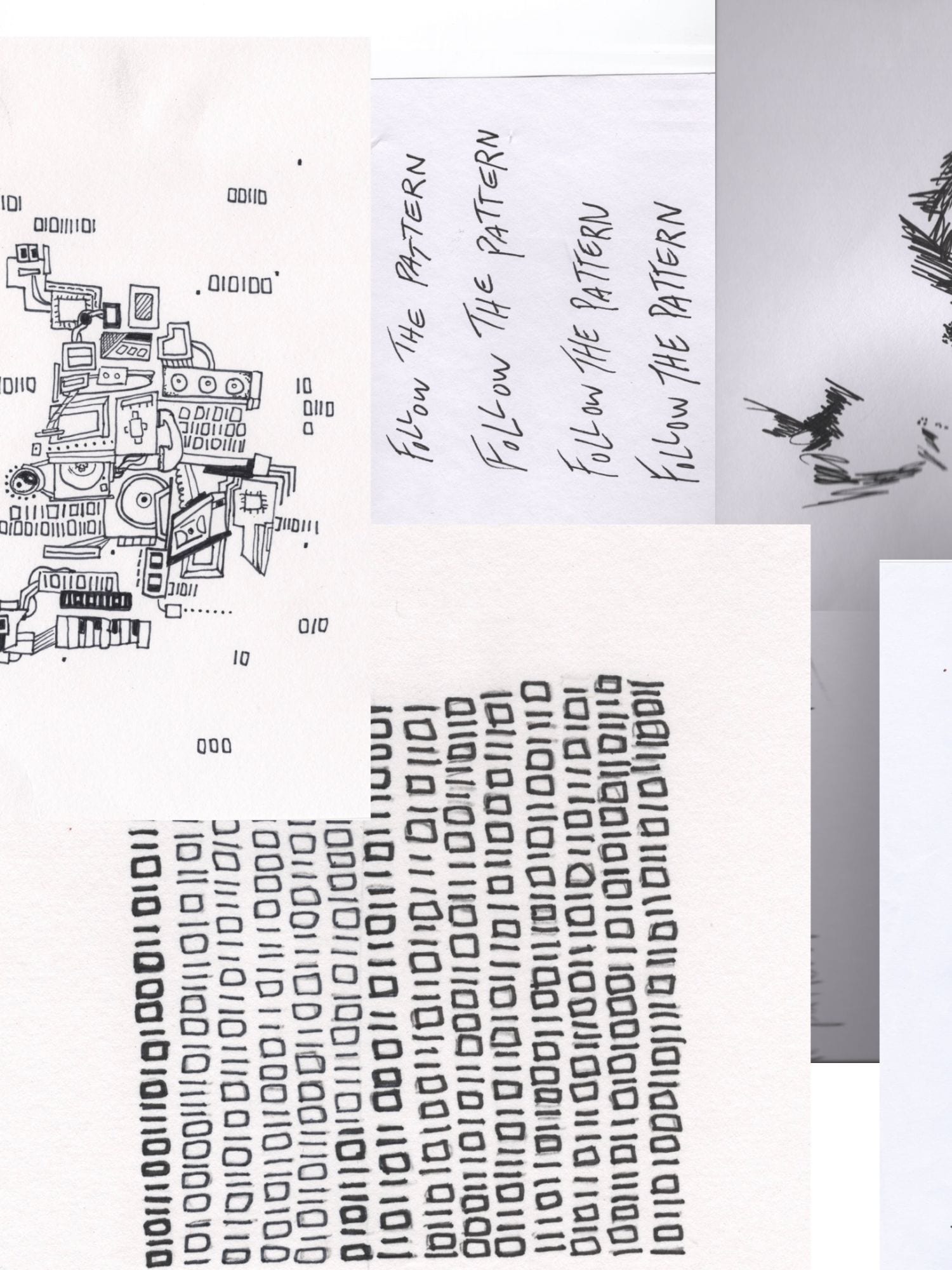
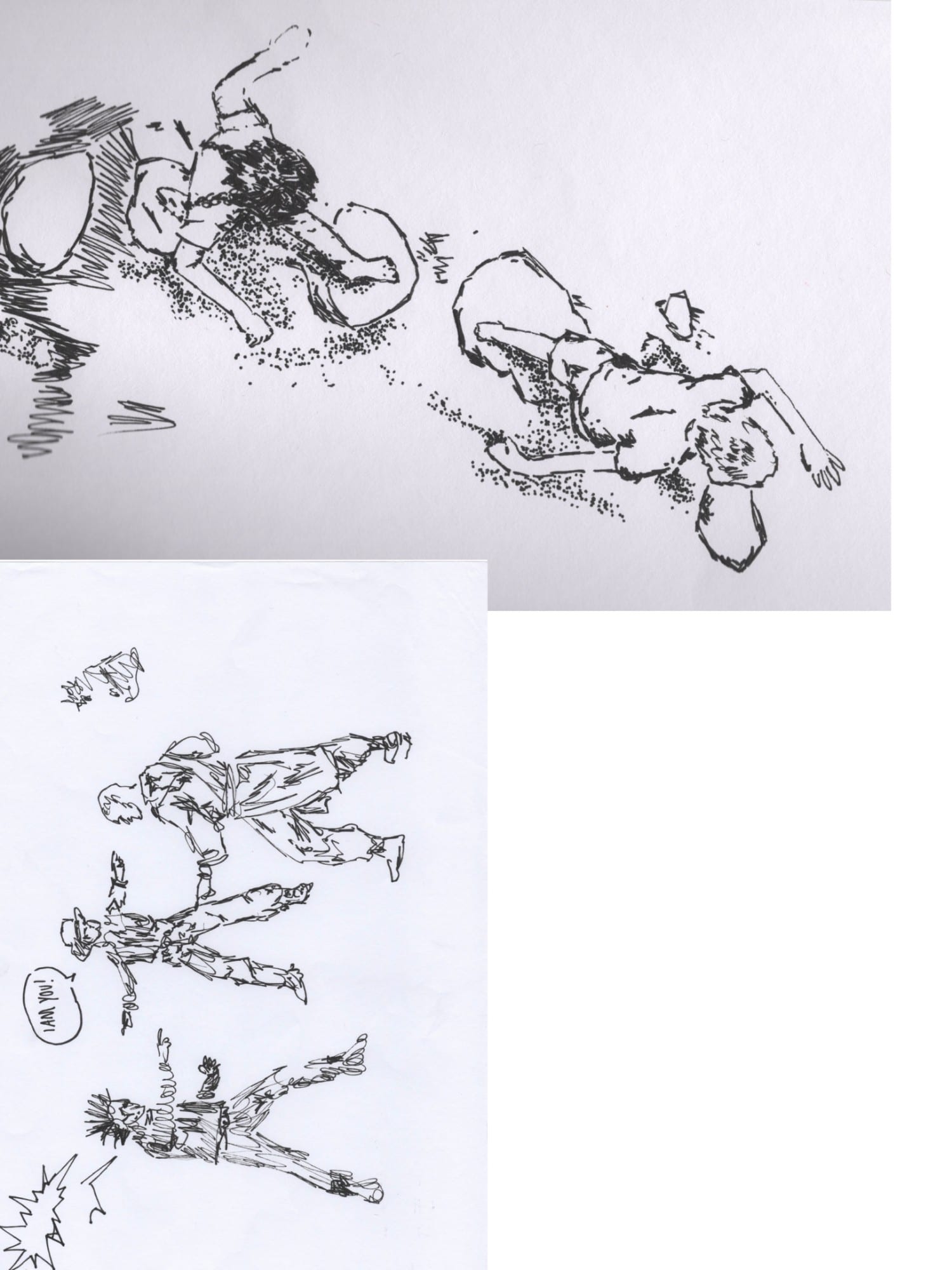
Eventually, we call this amalgamation of forces a self.
But not everything that becomes part of us was consciously chosen by us.
The ego has its chosen identity, the version of ourselves that has been built through everything we have experienced and adopted.
But the soul is apart from this, and has its own purpose.
I don't think every soul is here to recognise its own alienation in the same way. Maybe that is part of the balance. Different lives carry different purposes, different experiences, different movements through the same larger existence. One person might be here to create love and kindness, another might move through conflict, another might experience suffering, another might create something that changes someone else's entire direction.
Even the things we experience as destructive can become part of something that moves elsewhere – towards creation.
We live through these different expressions of reality, but they are never actually separate.
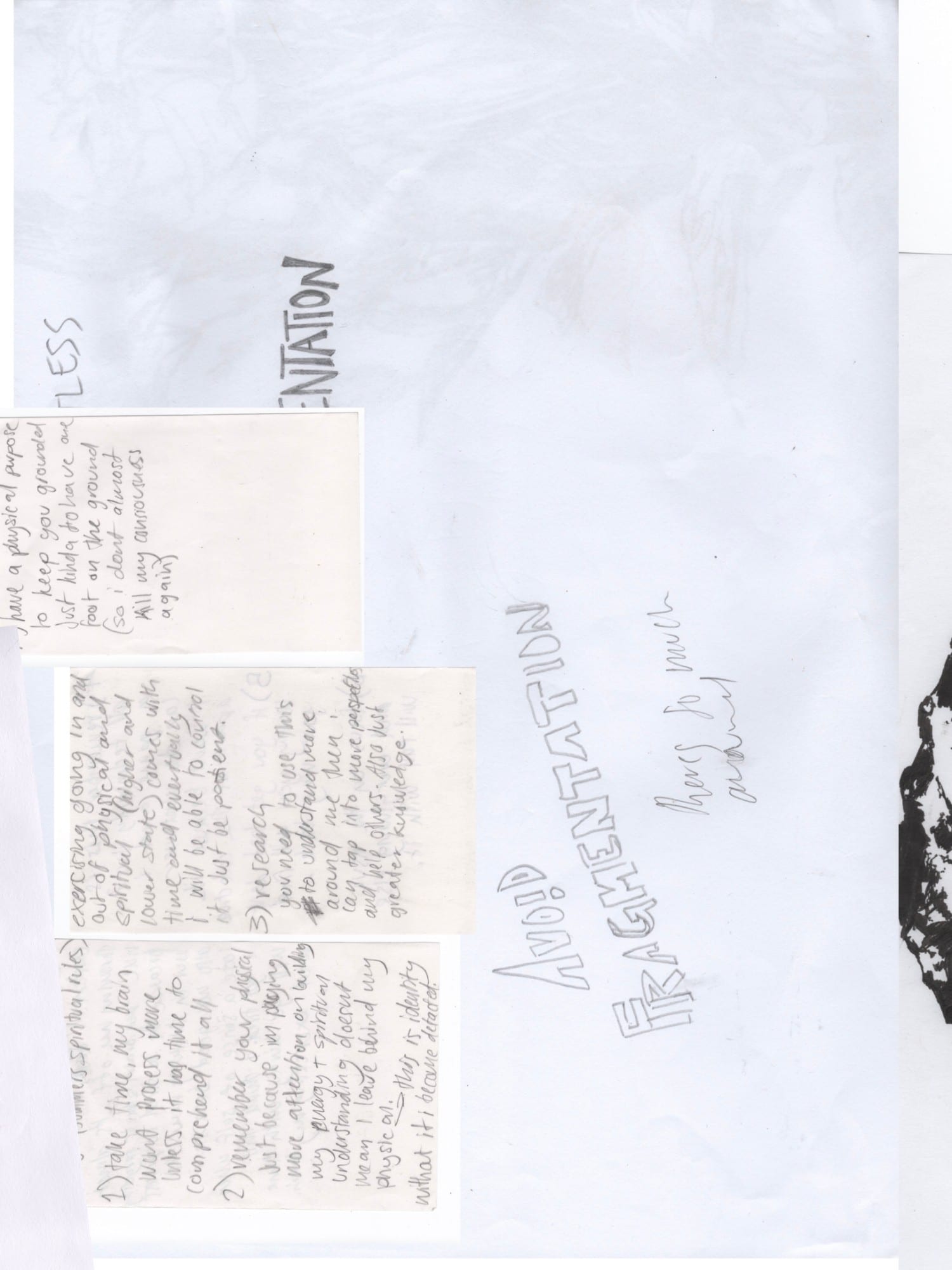
The topic of fragmentation is much larger than just an internal experience, and I feel it needs to be widely understood.
Right now, it feels almost like a chapter of what we are experiencing. We have so many perspectives existing at once, but we keep trying to fit them into one perception.
Social media has created this strange collective space where you can see an abundance of perspectives, but instead of necessarily understanding how everyone else is living, we flatten it into one place, one feed, one perception. One version of reality sitting beside another until we start treating proximity as understanding.
Minor differences in perspective can become conflicts that are never really resolved. The more dishonest we become with ourselves, the more unstable the reality in which we are trying to communicate becomes. I even find myself battling two perspectives inside my own mind. It can happen with the smallest things.
But I think the important part is understanding where that divergence actually begins.
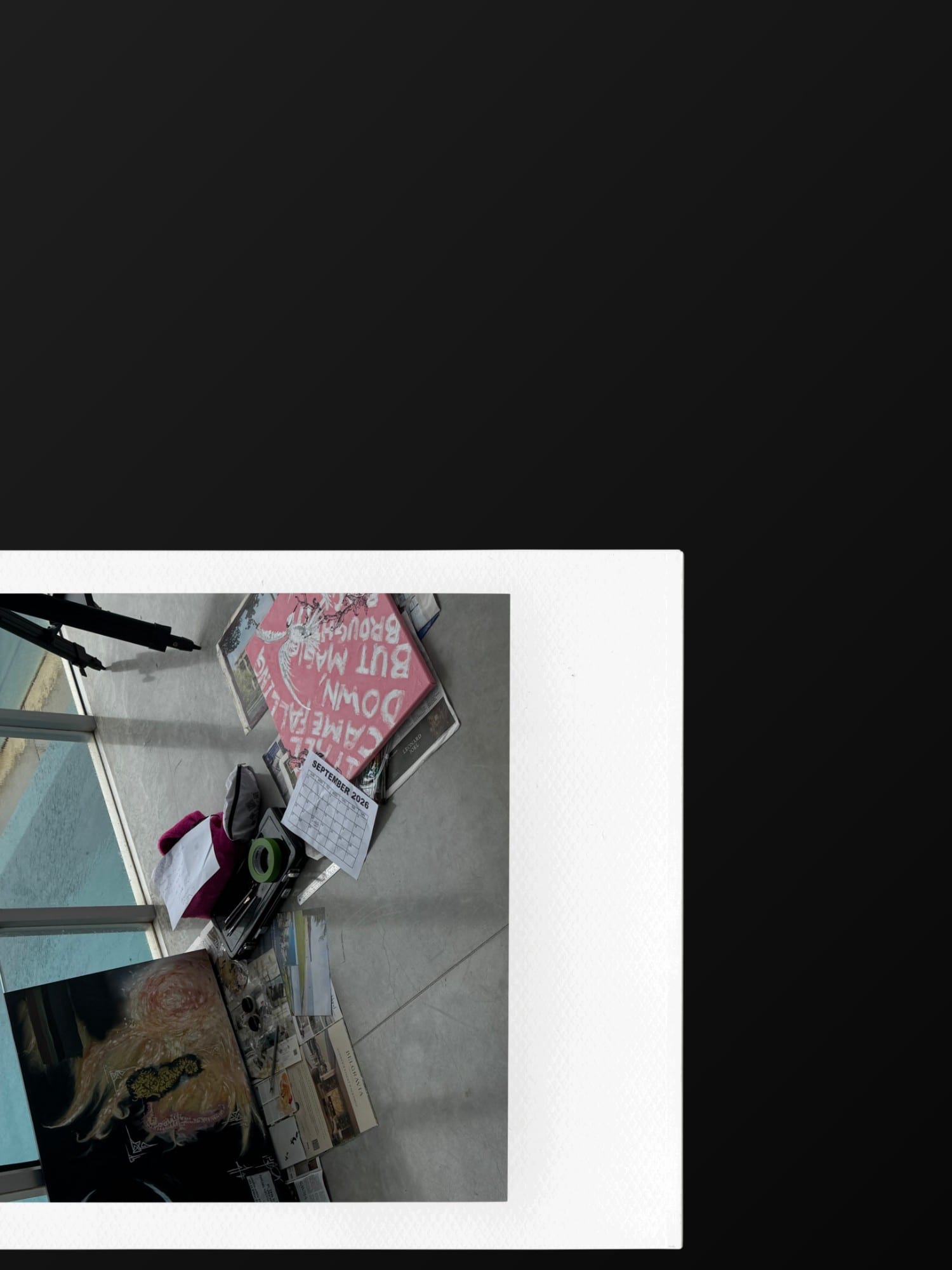


The topic of fragmentation is much larger than just an internal experience, and I feel it needs to be widely understood.
Take a lie.
A person says something that isn't true, and suddenly there are two versions of reality existing where there was previously one. There is the reality of the person who knows what actually happened, and there is the false reality that the other person believes, integrates, and acts upon.
Now there are two perceptions of the same moment.
But the fragmentation becomes even more complicated when the person telling the lie has to live inside both realities themselves. They either know they are lying, meaning they are consciously holding two slightly different versions of reality within their own mind, or they begin to believe the lie themselves. They force themselves into that version of reality so completely that it eventually becomes real to them.
I think this is where the smallest divergences can become much bigger than we realise. You can consciously know that something isn't true while still allowing your mind to build around it. Then that creates tiny expressions of divergence.
You wouldn't necessarily recognise any one of those things as destructive, but the pattern begins to compound. Eventually, the divergence has its own history until you are living from a reality that was built from something you weren't even fully present for when it began.
This is where manifestation comes in; the idea that if you make something your reality strongly enough, every part of you has to begin accepting it as reality. Not just the conscious mind, but the unconscious patterns underneath it.
You can say something a thousand times, but if another part of you is still living inside a completely different reality, there is a fragmentation between the two. The conscious expression says one thing whilst the unconscious reality says another, and you live between them.
The root of the pattern can probably be traced much further back, to the presence we have within our own decisions.
How present are we when we choose something? How much of the choice is actually ours? How much of it is a reaction to something that was already placed inside us?
And this doesn't only happen between people.
It happens everywhere.
Every relationship between things creates another point of connection: every biological process, every social interaction, every exchange of information, every relationship between a person and their environment, every species interacting with another. We experience these things as separate because we experience them from within our own individual position, but the connections them are never really separate. We are all constantly influencing the reality around us.
That is where I think intuition becomes interesting.
We are not actually as disconnected from one another as our physical perception makes it seem. We come from the same source, and whatever that source actually is, it is infinitely more complex than the three-dimensional reality we experience through our bodies.
Sometimes that connection becomes conscious. A feeling before someone speaks, thinking about someone moments before they contact you, knowing something without knowing where the knowledge came from.
Maybe what we call telepathy is simply two people briefly occupying the same wavelength of thought. Not necessarily words travelling from one mind to another, but something deeper in the frequency that the thought itself comes from. I don't think we've even begun to understand the extent of these connections.
And once you start seeing fragmentation this way – as the fluctuation, dynamic, and epistemology of knowledge –, it becomes difficult to separate supposedly discrete events from one another.
The communication between two people is connected to the communication between species. The communication between species is connected to the environment they exist within. The environment is connected to the biological systems living inside it. Everything is influencing something else. The fragmented pieces are still interconnected.
We are a species that has become strangely disconnected from the natural world that we came from. Other species don't have to understand themselves as separate from nature in the same way we do.
They exist within it.
We have built an identity around being outside of it, as though nature is something that surrounds us rather than something that we are continuously participating in. Maybe that separation is part of why our own intuition can feel so distant from us. When we reconnect with nature, we aren't simply going outside.
We are returning to a relationship that was already there. And through that relationship, other forms of communication become easier to recognise. The patterns become more visible. The body becomes quieter. The things we usually drown out become easier to hear. Maybe that is part of what we mean when we talk about oneness. Not that everything becomes the same, but that we become aware of the connections that were there before we separated everything into individual things.
Media